
We recently sat down with one of our estimators, Kamden, and walked through the most common patio cover questions homeowners ask. Below, we’ve broken down his answers and added practical context so you can make informed decisions for your home. You can also watch Kamden speak for himself in the video below!
Do I Need a Permit for a Patio Cover?
Permit requirements vary by city, county, and how the patio cover is built. Factors like square footage, attachment to the home, height, setbacks, and lot coverage all come into play.
As Kamden explained during our conversation, even neighboring cities can have completely different rules. That’s why it’s important not to rely on assumptions or what worked for a friend in another area. Regardless of whether a permit is required, the structure should always be built to local code to ensure safety, longevity, and resale value.
What’s the Difference Between a Patio Cover and a Pergola?
While patio covers and pergolas can look similar, they serve very different purposes.
A patio cover is designed to keep rain out, making it usable year round in the Pacific Northwest. A pergola provides shade and visual definition but allows rain to pass through.
Kamden summed it up simply:
“The biggest difference is going to be the rain.”
If your goal is to stay dry and protect your deck or patio, a patio cover is usually the better option. Pergolas are great for defining outdoor spaces and adding shade during the summer months.
How Do I Choose Between Wood and Acrylic Patio Covers?
This decision usually comes down to style, light, and how you plan to use the space.
Wood patio covers offer a warm, traditional look and are ideal if you plan to add accessories like fans, heaters, lighting, or screens. They integrate naturally with many homes and feel like a true extension of the structure.
Acrylic patio covers are popular with homeowners who want a more modern look and natural light. Acrylic panels allow daylight to pass through, which can help keep interior spaces brighter, especially during darker winter months.
Kamden noted that homeowners often choose acrylic when light is a top priority:
“You’re still going to get that natural light coming through.”
Can a Patio Cover Be Installed on an Existing Deck?
Yes this is extremely common.
Many homeowners build a deck first and add a patio cover later when budget or needs change. As long as the deck structure is sound (or properly reinforced), a patio cover can usually be added without issue.
Kamden often recommends planning ahead during a deck build by adding extra blocking. That small step can make adding a cover later easier and more cost effective.
What Type of Wood Is Best for Patio Covers in the PNW?
Not all wood performs the same in wet climates.
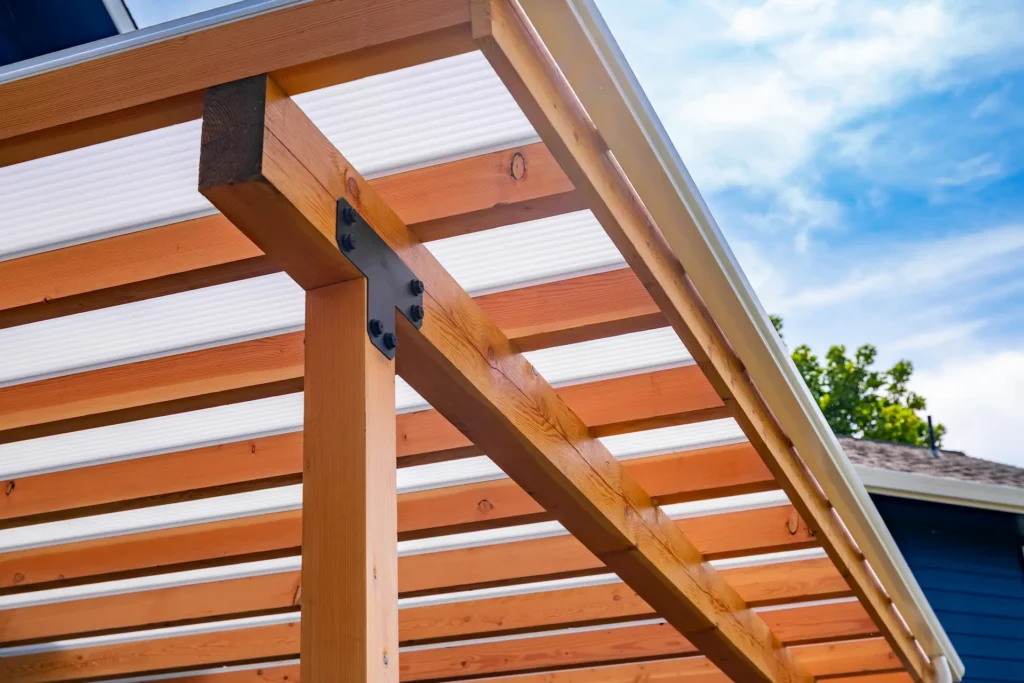
For our region, Kamden recommends number one grade Doug-fir, free of heart. This type of lumber is more stable and less prone to excessive twisting, cracking, and warping compared to lower grade or pressure treated wood.
Using higher quality lumber upfront helps the patio cover look better and perform better over time.
Will a Wood Patio Cover Crack or Twist Over Time?
This is an important expectation to set early.
Wood is a natural material, and some movement over time is unavoidable. Temperature changes, moisture, and drying all contribute to minor cracking or twisting.
That said, quality materials and proper installation significantly reduce how noticeable these changes are. The goal isn’t perfection, it’s durability, safety, and long term performance.
How Long Does a Wood Patio Cover Last in a Rainy Climate?
Longevity depends on both construction details and maintenance.
Regular staining or sealing every two to five years helps protect the wood from moisture intrusion. Proper installation also matters, including concrete footings, drainage, and correct flashing where the cover ties into the home.
When these details are handled correctly, a wood patio cover can last for many years, even in a rainy climate.
How Often Do I Need to Stain or Seal a Patio Cover?
Most wood patio covers should be stained or sealed every two to five years, depending on the type of stain used and how exposed the structure is.
Staining helps prevent water from penetrating the wood, reduces cracking, and maintains the appearance of the cover over time. Staying on top of this maintenance is one of the biggest factors in long term durability.
Will a Patio Cover Make My House Darker Inside?
It can especially with a solid wood roof.
Wood framed patio covers provide full shade, which may reduce the amount of natural light entering nearby rooms. Acrylic covers allow more light through and are often chosen for that reason.
For homeowners who prefer wood but want to keep interior spaces brighter, design solutions like skylights or adjusting the cover’s placement can help strike the right balance.
Do Acrylic Covers Yellow, Crack, or Fail Over Time?
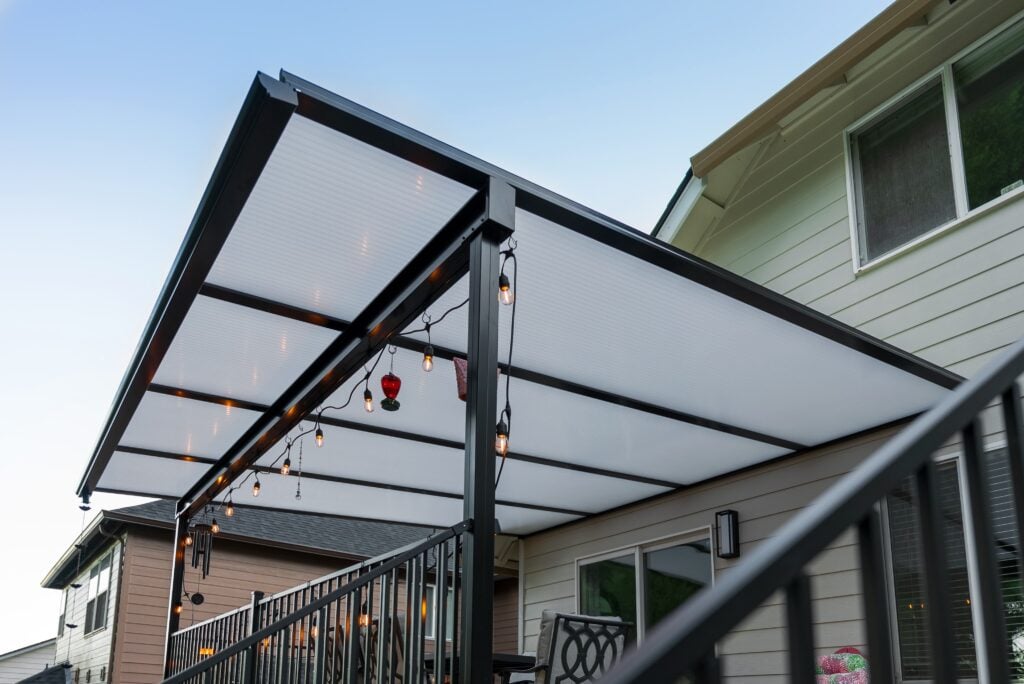
High quality acrylic panels are engineered to withstand UV exposure and snow loads common in the PNW.
Kamden explained that discoloration is typically an issue with lower end panels, not premium systems designed for patio covers. When properly designed and installed, acrylic panels remain clear, strong, and durable for years.
How Do You Clean and Maintain an Acrylic Patio Cover?
Acrylic covers are relatively low maintenance. Since you can’t walk on the panels, cleaning is typically done with a leaf blower, soft brush, or pressure washer.
How often you clean them depends on your environment. Homes under large trees will need more frequent cleaning than those in open areas. Regular light cleaning makes maintenance easier long-term.
Can Snow Crack Acrylic Panels?
Not when designed correctly.
Acrylic patio covers are engineered to meet local snow load requirements. Beam spacing, panel size, and structural design all work together to ensure the panels can handle winter conditions without cracking.
Is the Acrylic Portion Replaceable or Expandable Later?
Yes, and this is one of the biggest advantages of acrylic systems.
If a panel is damaged, it can be replaced individually. Acrylic covers can also be expanded later if you decide to cover a larger portion of your patio or deck.
Are Acrylic Covers Hotter in the Summer?
Acrylic covers are typically warmer than solid wood covers but still cooler than standing in direct sunlight.
Modern acrylic panels with heat-reducing technology help minimize the greenhouse effect, making the space more comfortable during warmer months.
What’s the Benefit of Mixing Wood Framing with Acrylic Panels?
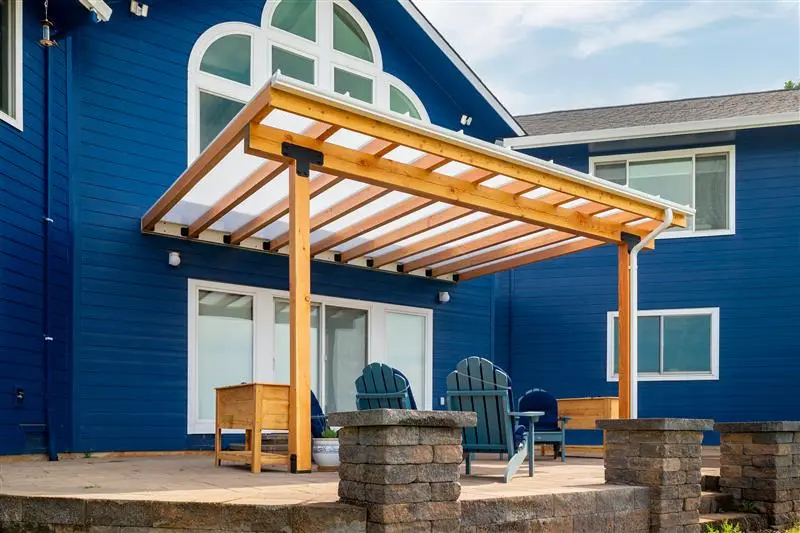
Hybrid patio covers combine the best of both worlds.
You get the warmth and flexibility of wood framing, making it easy to add fans, lighting, or heaters while still allowing natural light through the acrylic panels. This option is popular with homeowners who want a balanced look and feel.
What Is a Pergola, and Why Build One in the PNW?
Pergolas are designed to provide shade and define outdoor spaces rather than block rain.
Even in a rainy climate, pergolas are popular for creating seating areas, adding visual interest, and supporting features like string lights. Some modern pergola systems even offer adjustable louvers that can close when it rains.
Can a Pergola Be Converted Into a Patio Cover Later?
In many cases yes, but it depends on how the pergola was built.
Structural support, footing design, and roof slope all matter. Some pergolas require additional framing or reinforcement before adding a solid or acrylic roof. Planning for future conversion upfront makes the process easier.
Does a Patio Cover Help Reduce Deck Rot?
Absolutely.
Keeping moisture off the deck surface dramatically slows wear and tear. Covered sections of decks often look significantly better over time compared to exposed areas. Adding a patio cover can extend the life of an existing deck by many years.
How Long Does It Take to Build a Patio Cover?
Timelines depend on the type of cover.
Wood patio covers: typically around five days
Acrylic or aluminum covers: often one to two days
Pre-planning and material coordination allow crews to stay on-site and complete the project efficiently.
Can You Build a Patio Cover in the Winter?
Yes, winter can actually be a great time to build.
Schedules are often more flexible, and some homeowners take advantage of seasonal pricing. As long as weather conditions are manageable, patio covers can be installed year-round.
Can I Add Lighting, Fans, or Heaters to a Patio Cover?
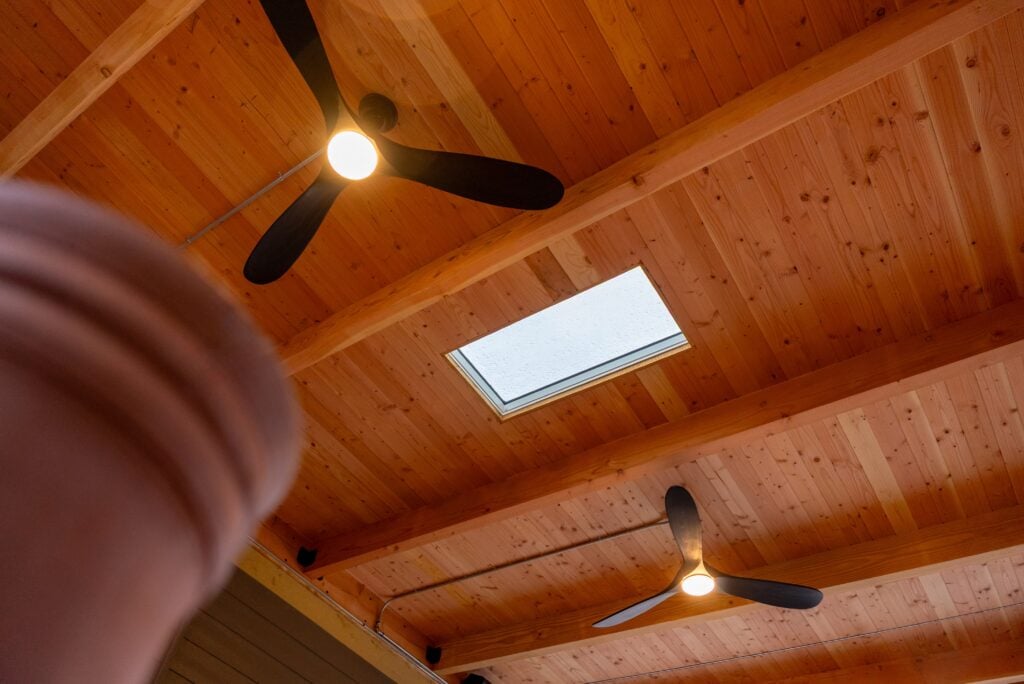
Yes, and it’s best to plan for these features early.
Fans, lighting, and heaters dramatically increase how often the space gets used. Wood-framed covers make it especially easy to add these elements cleanly and safely.
What’s the Most Modern Looking Patio Cover Option?
For homeowners seeking a modern look, acrylic panels paired with black aluminum framing are a popular choice. Hybrid designs that mix wood and aluminum are also common, offering a blend of warmth and contemporary style.
Final Advice from Kamden
Kamden’s biggest takeaway for homeowners was simple but important:
Design your patio cover around how you actually want to use the space, whether that’s staying dry, protecting your deck, or creating a true outdoor living area.