
If you’ve been looking at building a deck in the Pacific Northwest you’ve probably heard about the benefits of composite decking over wood decking. However even within the world of composite decking the difference between brands and board can offer a wide variety of pros and cons.
In this article we’ll discuss the difference between the biggest brand on the block, Trex, and one of our personal favorite brands Deckorators. We’ve also included a video below breaking down this topic!

Overview
The first difference you’ll notice between the two brands is their philosophy. Trex has been on the scene for longer and has an overall larger infrastructure. This is great the availability of their board and often times the price. Meanwhile Deckorators has made their mark on the space with a focus on quality, trust, and innovation with new technology. Below we’ll dive into more board specific differences!
Aesthetics
Both products have multiple colors and board profiles available to suit your style and design needs. Trex’s Trancend currently offers 6 colors which is down in recent years from 8. Deckorators meanwhile has added one more color recently to bring their Voyage line to 6 offered colors. Deckorators Summit which we’ll get into more detail about currently offers 3 color options
Trex Transcend Available Colors


Deckorators Voyage Available Colors


Look & Feel
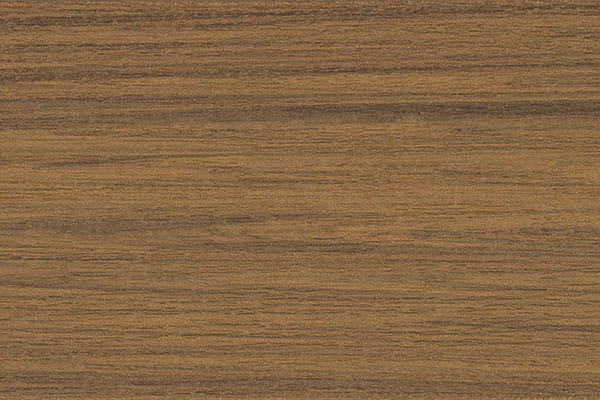
When it comes to look and feel, we’ve found that Deckorators Voyage line takes the win, even when comparing these two higher end lines. The Deckorators board looks much more like a natural wood product and claims to be 34% more slip-resistant than its competitors.


Inside the Board
At first glance, Trex and Deckorators can look similar, but the biggest differences show up in what the boards are made of and how they perform over time.
Trex Transcend is a capped composite decking board made from a blend of 95% recycled plastic film and reclaimed sawdust, protected by a durable outer shell. That shell helps resist fading, staining, scratching, and mold.
Deckorators Voyage is built differently. It uses Surestone® technology, a mineral-based composite designed for virtually no moisture absorption, low thermal movement, and improved performance in wet conditions. Deckorators also warrants Voyage for water and ground contact, which makes it especially appealing for projects near docks, ponds, grade-level installations, or other moisture prone environments.
We’ve found the difference in composition matters in the Pacific Northwest. Traditional wood plastic composites and mineral based composites do not respond to moisture the same way, and that is one reason we often lean toward Deckorators for wet climate builds.
In our own four day water test, the difference was easy to see. The Trex sample showed water absorption, while the Deckorators sample remained far less affected. For homeowners building near water or in consistently damp environments, that kind of performance can make mineral based decking a smarter long term choice.
Failure from Water & Moisture
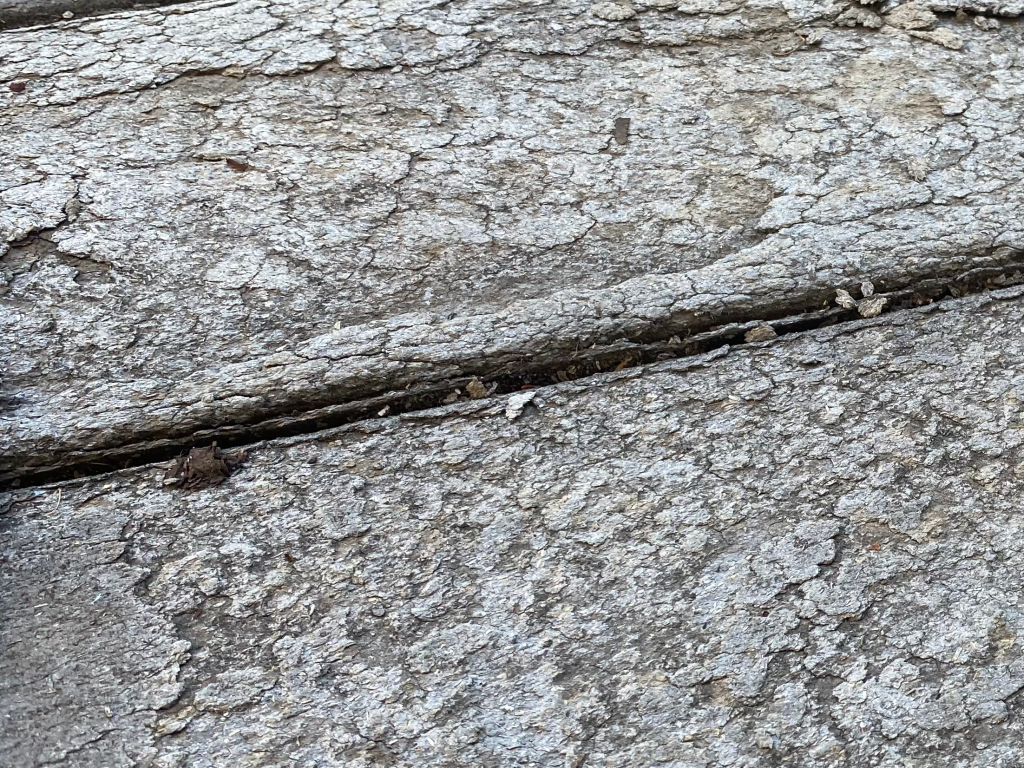
Even outside of marine environments, moisture remains an important consideration with traditional wood-plastic composite decking. These boards rely on a protective outer shell to help defend the core, but if that shell is damaged, deeply scratched, or the cut ends are left exposed, moisture can eventually reach the material inside. Over time, that can affect the board’s appearance and long term durability. In colder climates, repeated freeze thaw cycles can make those issues worse and may lead to premature board failure that requires replacement.
Warranties
Trex offers strong warranty coverage, which is one reason it remains such a popular decking brand.
Deckorators is competitive here too, but Voyage stands out with a 50-year structural warranty, 25-year stain and fade warranty, and 25-year removal and replacement warranty. Summit carries a 25-year structural and 25-year stain and fade warranty.
Conclusion
So, Trex vs. Deckorators? For most homeowners, the decision comes down to upfront cost versus long-term performance. Trex can be a more budget-friendly option, especially for DIY projects or homeowners focused on keeping initial costs down. Deckorators, particularly its mineral-based lines, typically comes at a higher price point, but that added cost often brings better long-term durability, moisture performance, and overall reliability. If your priority is the lowest price today, Trex may be the better fit. If your priority is how the deck performs and holds up over time, we generally lean toward Deckorators.